
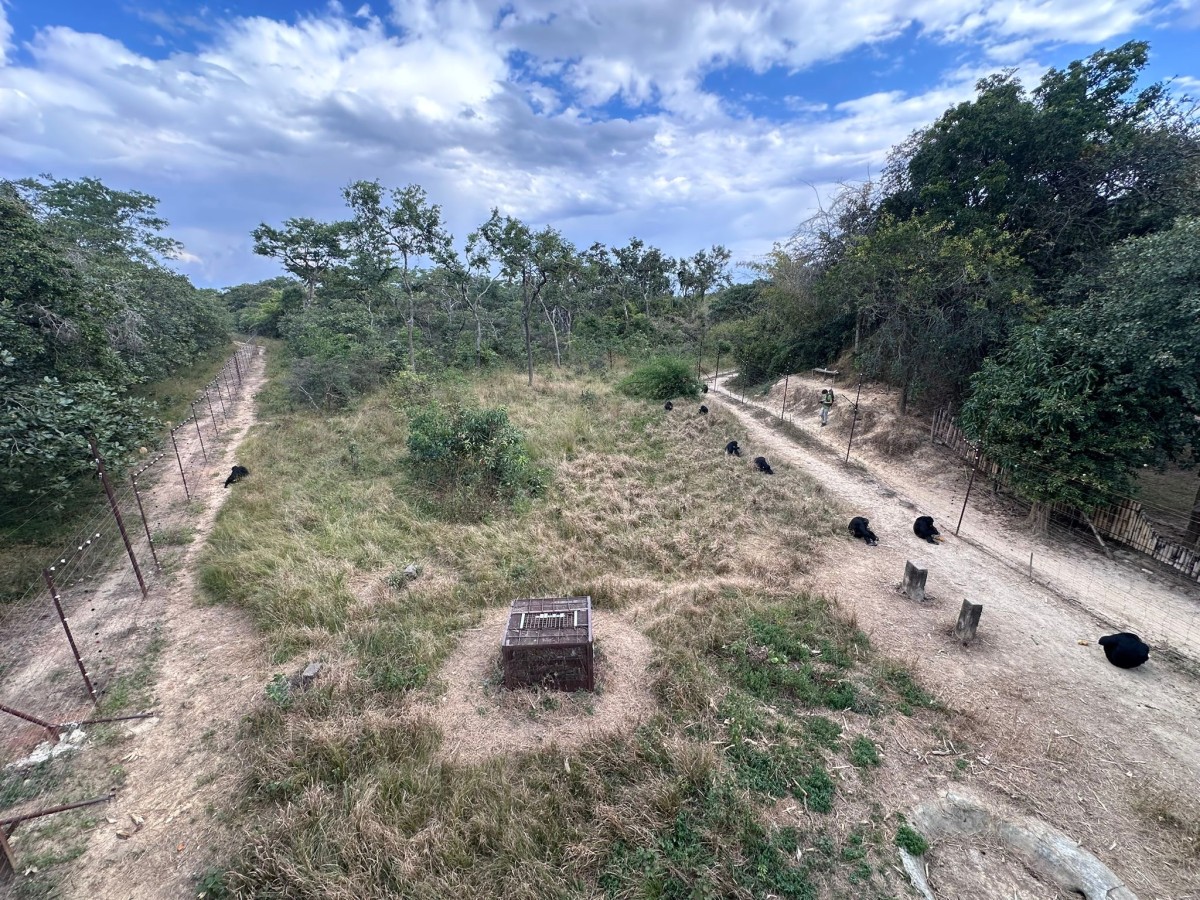
Chimfunshi Wildlife Orphanage Trust in Zambia is one of the largest chimpanzee sanctuaries in the world, covering 10,000 hectares of Miombo forest and wetlands, providing a haven for rescued chimpanzees and other wildlife. This sanctuary is located in the heart of Zambia, and houses over 150 chimpanzees in large forest enclosures. Chimfunshi rescues and rehabilitates chimpanzees who have been confiscated from around the world.
As a non-native species to Zambia the chimpanzees cannot be released back into the wild so the dedicated team at Chimfunshi ensures they can live out the remainder of their lives in comfort and safety. But the sanctuary doesn’t stop there, as a wildlife trust they also work hand in hand with local communities to promote sustainable development and environmental conservation. They promote sustainable farming practices and offer a comprehensive education program to raise environmental awareness. By combining economic development and conservation efforts, they ensure the long-term viability of the local environment.
Zambia sits along a key route in the international wildlife trade meaning Chimfunshi is best placed to rescue, rehabilitate and release native wildlife wherever they can. Already known as hotspot for native birds the land is now home to many other incredible species. In 2025 the sanctuary was also accredited as an official tree pangolin rescue centre through an official partnership with the Zambian government to safeguard this species for future generations.
Wilder International supports Chimfunshi in various ways. In May 2026 we visited the sanctuary to support the team with several chimpanzee anaesthetics and to assist with any nutritional queries, whilst delivering our ape nutrition course (funded by the Qato Foundation) to build capacity for the sanctuary on this topic. We also donated binoculars (donated by Opticron) and camera traps (as part of our camera trap monitoring programme in collaboration with NatureSpy) to monitor both sanctuary animal welfare and biodiversity on the site.


